




















Australia and New Zealand frequently asked questions
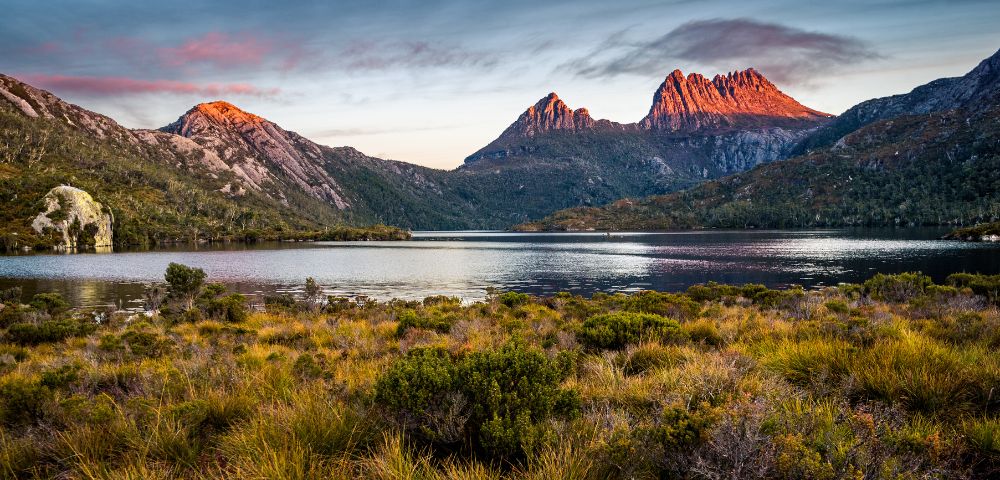
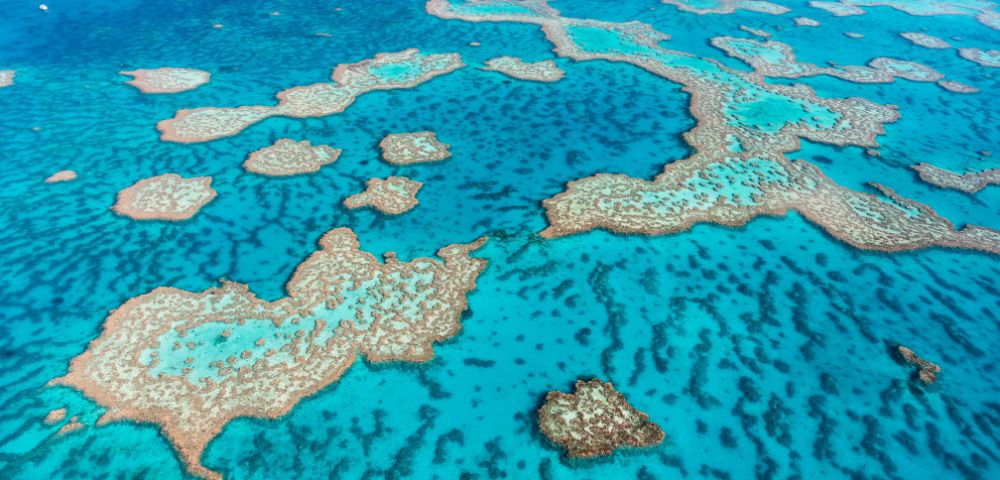
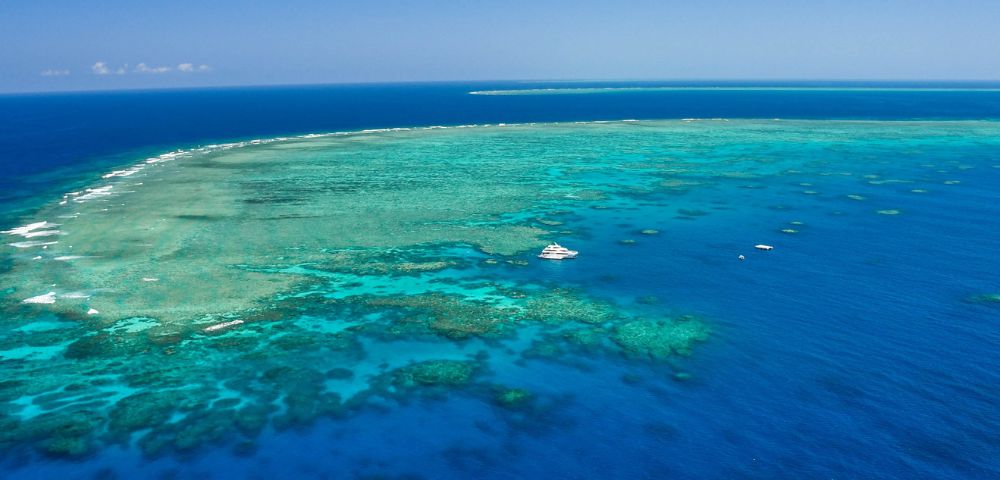
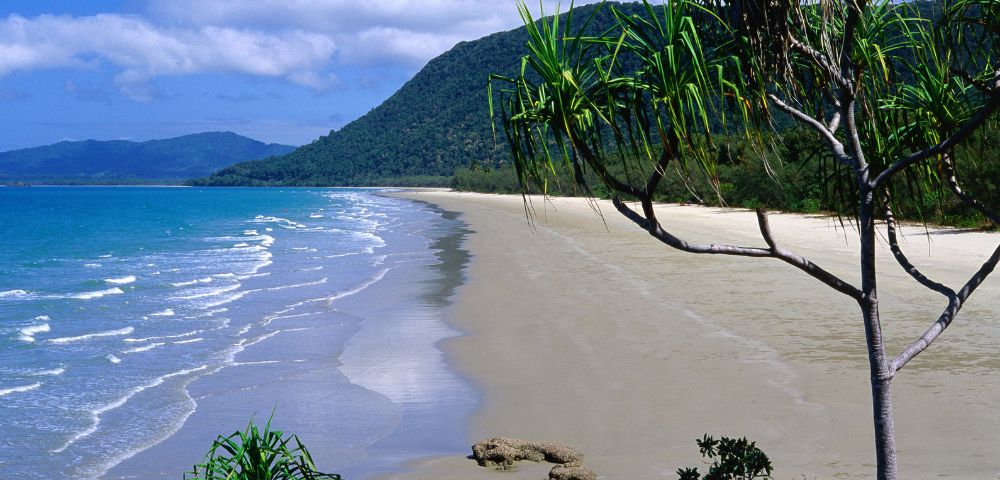
Australia and New Zealand are home to some of the world’s most iconic and diverse destinations. In Australia, highlights include Sydney’s famous harbour, Melbourne’s cultural and dining scene, the Great Barrier Reef, the Daintree Rainforest, the Red Centre and Tasmania’s wild landscapes.
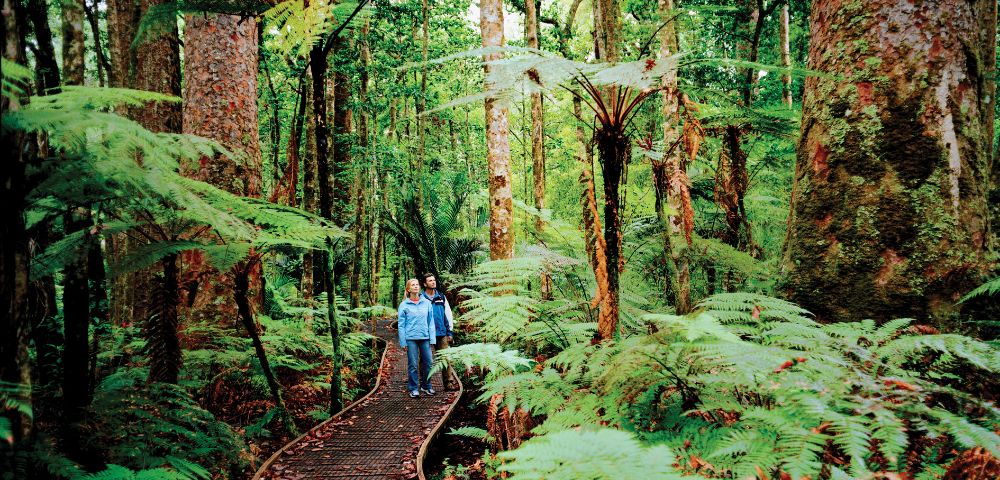
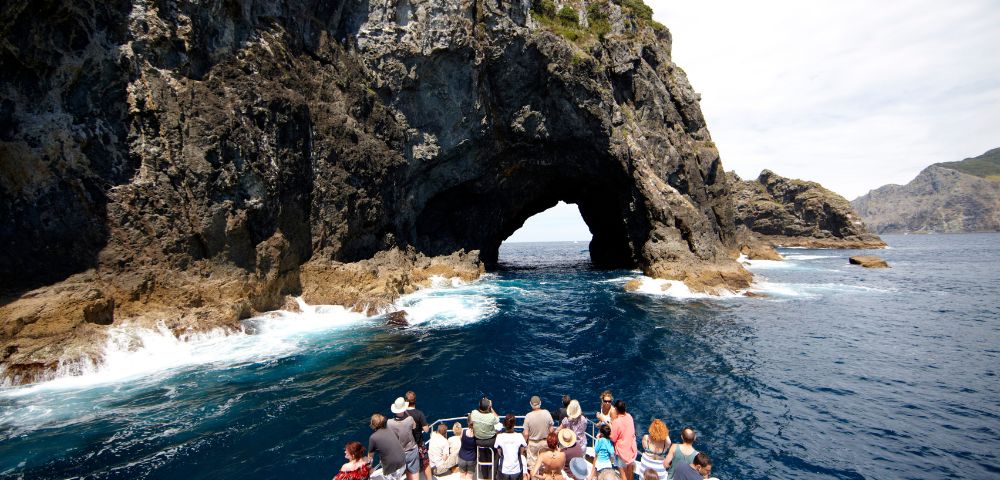
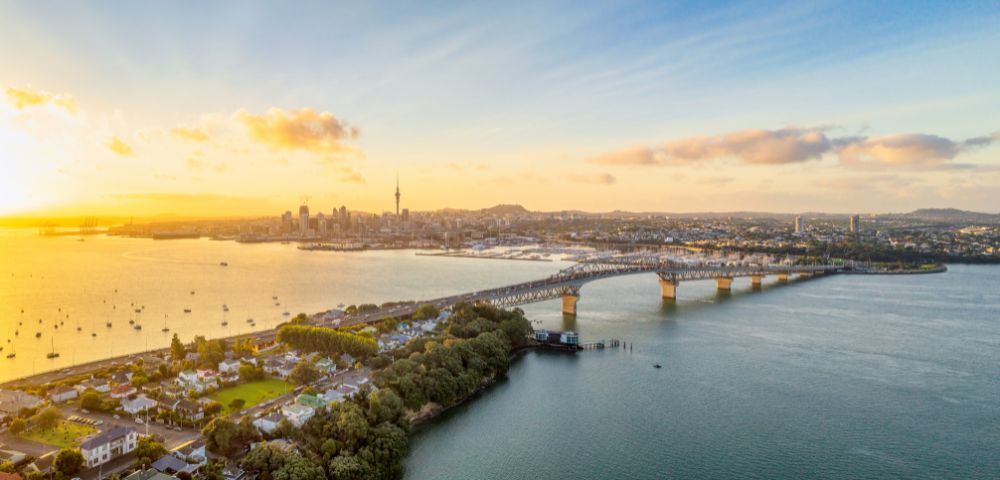
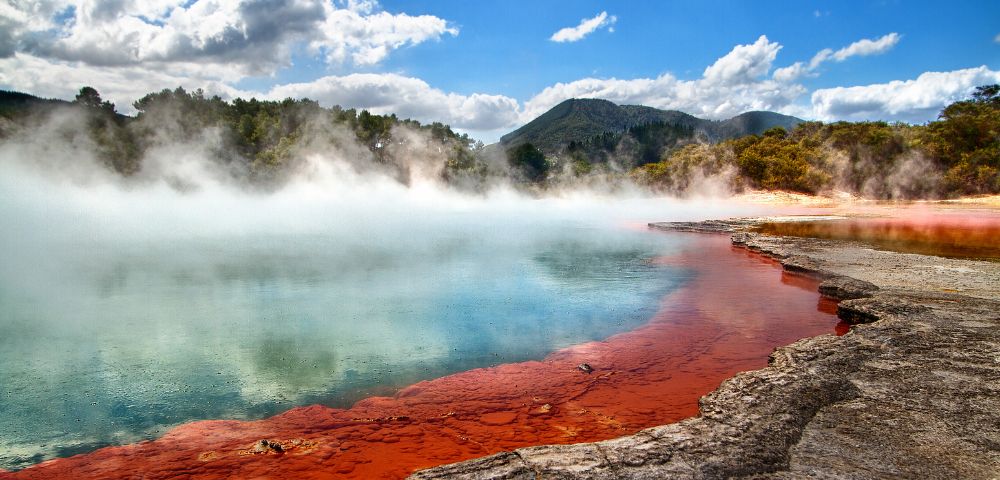
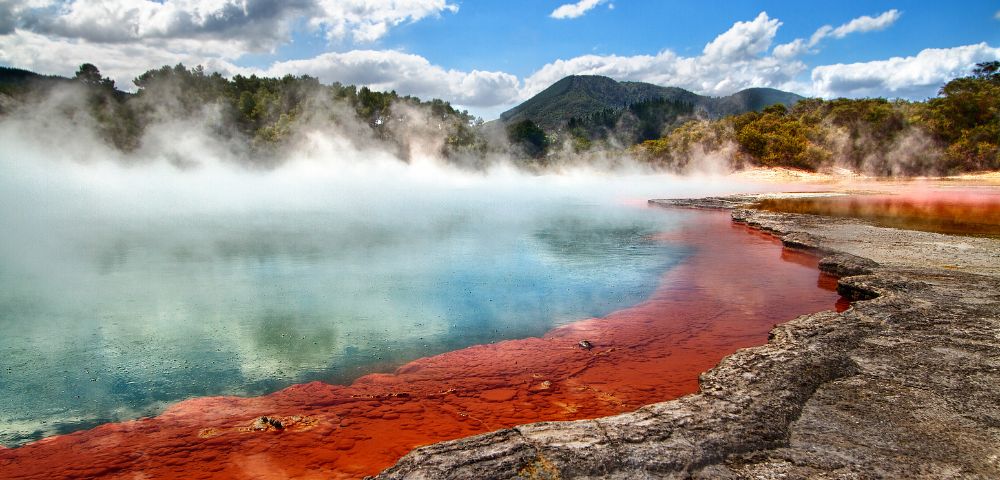
New Zealand captivates with dramatic scenery across both islands, from Queenstown and the Southern Alps to the fjords of Milford Sound, Rotorua’s geothermal wonders and vibrant cities like Auckland and Wellington. Together, these destinations showcase everything from coastlines and mountains to rich cultural heritage and unforgettable natural experiences, often combined into one seamless journey.
Australia is vast, so the best time to visit depends on the region. Winter (June to August) is ideal for exploring the Northern Territory, Kimberley and Queensland tropics, while summer (December to February) is perfect for southern cities like Sydney, Melbourne, Hobart and Adelaide. New Zealand experiences four distinct seasons, with the warmest months from December to March offering the best conditions for hiking, cruising and outdoor exploration. Spring and autumn are also popular for mild temperatures and fewer crowds.
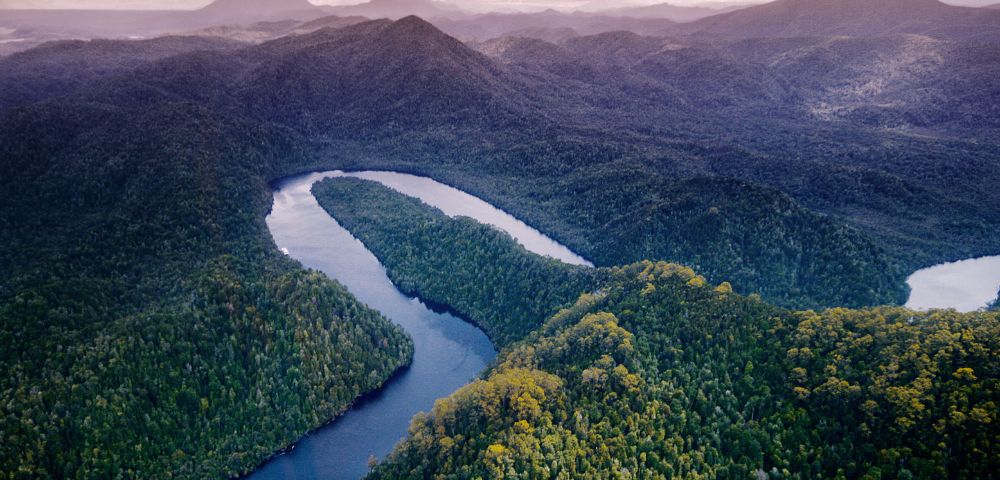
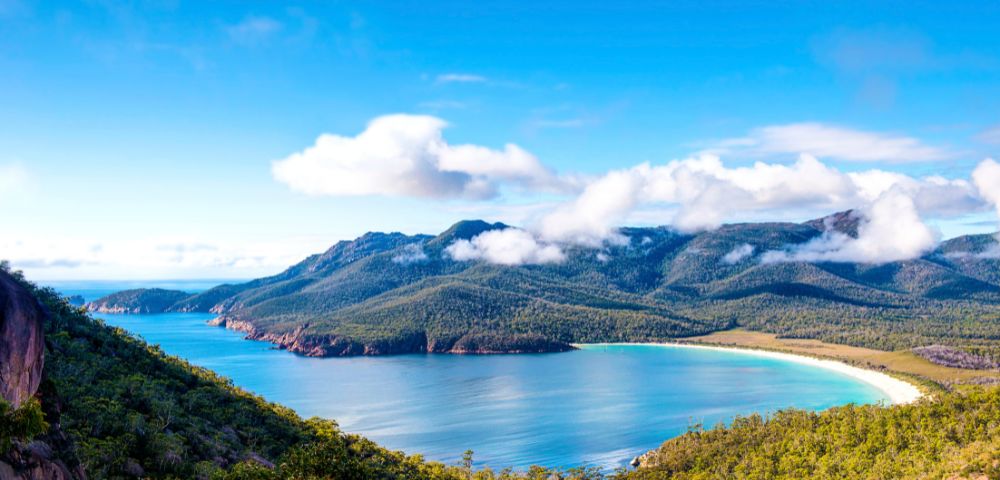
Both countries offer an incredible variety of touring options, from scenic coastal drives and wildlife encounters to cultural city stays and wilderness experiences. Explore Australia’s red centre, the Great Barrier Reef, Tasmania’s wilderness or Kangroo Island, or discover New Zealand’s fjords, geothermal wonders, wine regions and alpine landscapes.
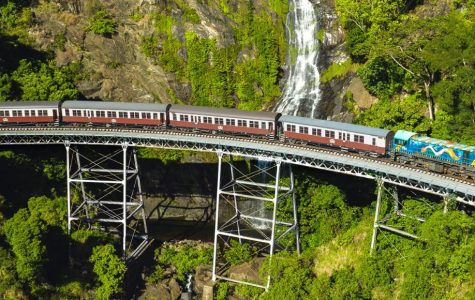
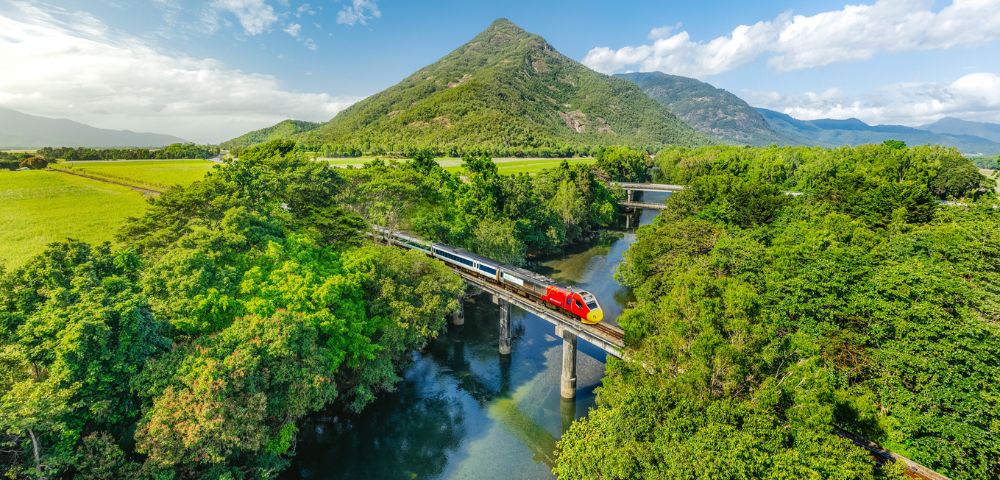
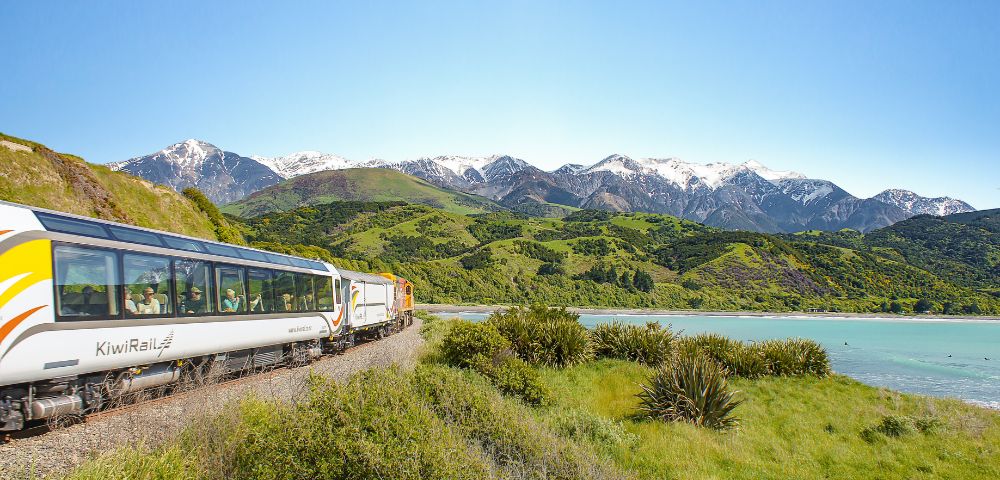
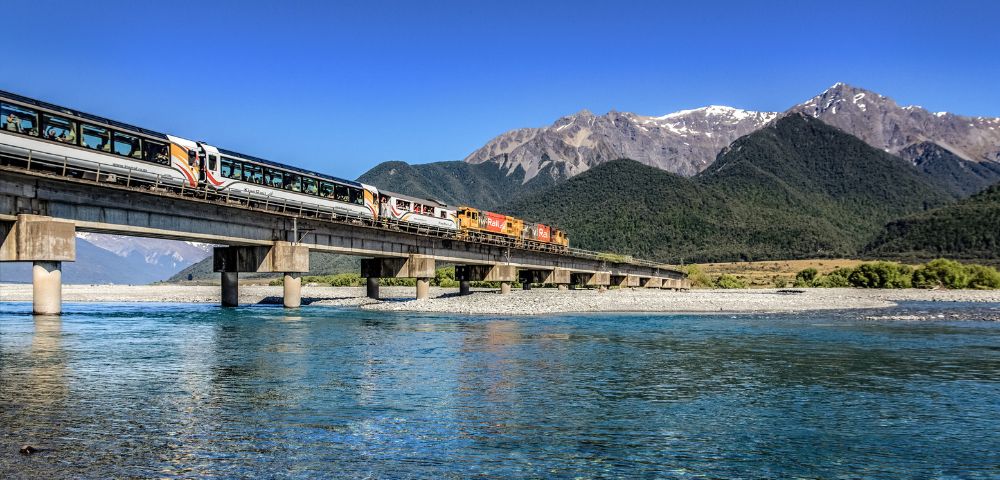
At My Touring, we’ve handcrafted the perfect selection of tours designed to showcase the most iconic regions and in-depth experiences that go beyond the path. Both Australia and New Zealand offer incredible rail tours, so you can enjoy the passing scenery in effortless comfort.
Yes, both Australia and New Zealand are considered very safe destinations with excellent tourism infrastructure. Cities and regional areas are well supported by transport networks, visitor centres and experienced operators. A guided tour adds an extra layer of comfort and local insight, with experienced guides ensuring safe and seamless travel. As with any destination, safety can vary by location, so it’s important to stay informed, be aware of your surroundings.
If you hold a New Zealand or Australian passport, you won’t require a visa to enter either country. Non-Australian or New Zealand passport holders may require an ETA or eVisitor visa to enter Australia, while New Zealand requires an NZeTA for eligible travellers. Entry conditions may change from time to time, so it’s best to check the latest information before you go. Stay up to date with Smartraveller.